Gautam Adani's Salary in FY24: Why It Was Lower Than His Peers and Executives
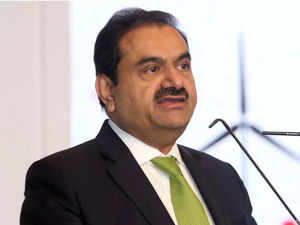

Gautam Adani is the chairman and founder of the Adani Group, a multinational conglomerate with diverse interests in energy, resources, logistics, agribusiness, real estate, financial services, and defense. The Adani Group has grown to become one of India's largest companies, playing a critical role in the country's economic landscape. Adani's leadership and strategic vision have been pivotal in driving the company's expansion and success.
Financial Performance of Adani Group in FY24
In FY24, the Adani Group demonstrated robust financial performance. The company's revenue saw significant growth, driven by its diversified portfolio and strategic investments. Profits remained strong, bolstered by efficient operations and expanding market presence. The group's market performance reflected investor confidence, with stock prices showing a positive trend. This financial health underscored the group's resilience and adaptability in a dynamic economic environment.
Salary Structure of Top Executives in India
Top executives in India typically receive a combination of basic salary, performance bonuses, stock options, and other benefits. The structure aims to align executives' interests with company performance and shareholder value. Comparisons with other conglomerates reveal that executive compensation packages vary widely, influenced by industry standards, company size, and individual roles. These packages are designed to attract and retain top talent, ensuring leadership stability and strategic continuity.
Breakdown of Gautam Adani's Salary
Gautam Adani's salary in FY24 included a basic salary, bonuses, stock options, and various benefits. Despite leading one of India's largest conglomerates, his total compensation was notably lower than many of his peers. This conservative salary approach reflects Adani's focus on long-term value creation over short-term personal gain. His compensation package underscores a commitment to the company's growth and stakeholder interests.
Comparison with Peers
When compared to other top executives in similar positions, Gautam Adani's salary stands out for its modesty. Leaders of other major Indian conglomerates and multinational companies often receive higher total compensation, including substantial bonuses and stock options. This comparison highlights Adani's unique approach to executive compensation, prioritizing the company's broader financial health and strategic goals.
Comparison with Adani Group Executives
Within the Adani Group, Gautam Adani's salary is lower than that of several senior executives. This disparity illustrates Adani's leadership philosophy, where the emphasis is on rewarding team performance and ensuring equitable compensation across the leadership team. It also reflects a strategic decision to reinvest more resources into the company's growth and development.
Factors Influencing Executive Salaries
Executive salaries are influenced by various factors, including market conditions, company performance, and individual performance. Understanding these factors provides insight into why Gautam Adani's compensation might differ from industry norms.
Market Conditions
Economic factors, industry trends, and competition play significant roles in determining executive compensation. During economic downturns, companies might restrain executive pay to align with broader financial strategies. Conversely, booming markets often see higher executive rewards due to increased company valuations and profits.
Company Performance
The financial health of the company, its growth trajectory, and market share directly impact executive salaries. Companies performing well financially are more likely to offer competitive compensation to retain top talent. For the Adani Group, its strong financial performance provides a foundation for executive compensation decisions.
Individual Performance
Executive compensation is also tied to individual performance. Key factors include leadership effectiveness, strategic decision-making, and the ability to drive company growth. Gautam Adani's track record of successful ventures and strategic expansions likely contributes to his compensation package, despite its relative modesty.
Impact of Lower Salary on Perception
Gautam Adani's lower salary has several implications for stakeholder perception, market reaction, and public opinion.
Shareholder Views
Shareholders often view lower executive salaries favorably, interpreting them as signs of prudent financial management and a focus on long-term value creation. Adani's conservative compensation can enhance shareholder trust and support.
Market Reaction
The stock market tends to respond positively to executive compensation strategies that prioritize company health and sustainability. Analysts might view Adani's lower salary as a signal of the company's commitment to reinvest profits into growth and innovation.
Public Perception
Media coverage and public opinion can be influenced by executive salary reports. A lower salary for a prominent figure like Gautam Adani can be seen as a sign of responsible leadership, enhancing his reputation and the company's image.
Historical Salary Trends for Gautam Adani
Examining Gautam Adani's salary trends over the past decade reveals a consistent pattern of modest compensation. This approach aligns with his long-term strategic vision and commitment to the company's growth. Historical trends show that Adani has prioritized reinvestment in the company over personal financial gain, a strategy that has contributed to the Adani Group's substantial expansion.
The Role of Compensation Committees
Compensation committees play a crucial role in determining executive salaries. These committees are responsible for evaluating performance, setting compensation levels, and ensuring alignment with company goals.
Structure of Compensation Committees
Compensation committees typically consist of independent directors who provide objective oversight. Their roles include assessing executive performance, benchmarking against industry standards, and recommending compensation packages to the board.
Decision-Making Process
The decision-making process involves comprehensive evaluations of company performance, market conditions, and individual contributions. Compensation committees aim to balance fair reward with the need to motivate and retain top executives.
Guidelines and Regulations
Legal frameworks and corporate governance guidelines influence compensation decisions. Companies must adhere to regulations ensuring transparency and fairness in executive pay, maintaining shareholder trust and market credibility.
Future Salary Projections
Looking ahead, Gautam Adani's salary may see adjustments based on several factors, including market trends, company performance, and strategic priorities.
Potential Salary Trends
Future salary trends for Gautam Adani will likely continue to reflect his conservative approach, with adjustments aligned to the Adani Group's performance and market conditions. Industry benchmarks will also play a role in determining competitive compensation levels.
Salary Adjustments
Possible adjustments in Adani's salary structure might include changes in performance bonuses and stock options. These adjustments will aim to align his compensation with the company's evolving strategic goals and financial health.
Influencing Factors
Market trends, company growth, and individual performance will continue to be key influencing factors. Adani's focus on sustainable growth and long-term value creation will shape future compensation decisions.
Conclusion
Gautam Adani's salary in FY24, despite being lower than his peers and fellow executives, reflects a strategic choice that prioritizes the Adani Group's long-term growth and financial health. This conservative approach underscores Adani's leadership philosophy and commitment to the company's success. As the Adani Group continues to expand and evolve, executive compensation strategies will adapt to ensure alignment with broader corporate goals and stakeholder interests.
follow - fundfortress.com blog for more updates


No comments:
Post a Comment